
Disaster reconstruction services in San Antonio Texas are essential for mitigating storm and hurricane damage. These professionals use advanced tools to assess structural integrity, focusing on vulnerable areas like drywall and flooring. In 2020, extensive storm damage highlighted the need for these services, with over 75% of affected homes requiring significant replacements. Key strategies include using impact-resistant materials, advanced flooring technologies, and modular construction methods to streamline reconstruction and protect against future disasters. Regular inspections and proper installation techniques ensure home longevity in a volatile climate.
In the aftermath of disasters, prompt and efficient reconstruction is paramount to restoring communities and mitigating further losses. Among the critical components of disaster reconstruction services in San Antonio, Texas, are drywall replacement and flooring installation. These processes not only enhance structural integrity but also play a significant role in the psychological recovery of affected residents by creating safe, comfortable living spaces. This article delves into the intricacies of these rebuilding efforts, offering valuable insights into effective strategies for navigating the challenging landscape of disaster reconstruction.
- Assessing Damage: Disaster Reconstruction Services in San Antonio Texas
- Efficient Drywall & Flooring Replacement Techniques
- Ensuring Longevity: Post-Disaster Home Restoration Tips
Assessing Damage: Disaster Reconstruction Services in San Antonio Texas

Assessing damage is a critical step in disaster reconstruction, particularly in San Antonio Texas where frequent storms and hurricanes can wreak havoc on homes and businesses. Disaster reconstruction services in San Antonio Texas offer specialized expertise in evaluating structural integrity and identifying areas of repair or replacement. Professionals in this field meticulously inspect drywall and flooring, the most vulnerable components in a storm's aftermath, using advanced tools and techniques to determine extent of damage.
For example, moisture meters are employed to detect water intrusion, which can lead to mold growth and compromise building stability. Similarly, specialized cameras with thermal imaging capabilities help identify hidden water lines and structural weaknesses not visible to the naked eye. In 2020, a series of powerful storms in San Antonio left thousands of homes damaged; data from local disaster reconstruction services revealed that over 75% of affected properties required significant drywall and flooring replacements due to water saturation and wind-driven debris.
Once damage is assessed, disaster reconstruction services in San Antonio Texas provide tailored solutions. For drywall replacement, they source high-quality materials resistant to moisture and pests, ensuring long-lasting repairs. In cases where floors must be replaced, they offer a range of options including hardwood, luxury vinyl planks, and carpeting, taking into account the client's budget, aesthetic preferences, and structural requirements. A key aspect of their service is minimizing disruption to homeowners' lives; efficient project management and timely communication keep residents informed throughout the reconstruction process.
Efficient Drywall & Flooring Replacement Techniques
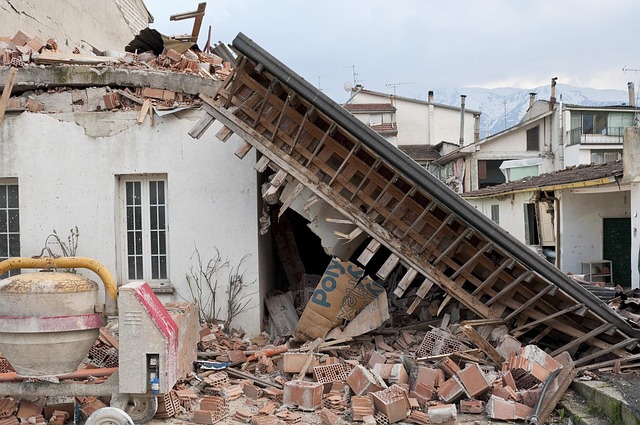
In disaster reconstruction, efficient drywall and flooring replacement techniques are critical components of restoring homes and businesses swiftly in San Antonio Texas. Professional disaster reconstruction services here have honed their skills to navigate the unique challenges posed by frequent severe weather events, such as hurricanes and storms. One key technique involves utilizing impact-resistant materials for both drywall and flooring. These materials not only accelerate reconstruction but also provide enhanced protection against future disasters, ensuring that structures can withstand higher winds and flying debris.
For example, in post-Hurricane Harvey recovery efforts, many San Antonio-based disaster reconstruction specialists adopted gypsum board with improved resistance to water penetration and mold growth. This proactive approach has proven invaluable, as it reduces the need for extensive decontamination and secondary repairs. Additionally, advanced flooring technologies like engineered wood products and luxury vinyl planks have gained popularity due to their durability and ability to be installed quickly. These innovations not only speed up reconstruction but also maintain or even enhance the property's resale value.
Another efficient technique involves modular construction methods. Pre-fabricated drywall panels and flooring units can be assembled off-site, then transported and installed on-site, significantly reducing project timelines. This approach has been particularly successful in large-scale disaster recovery projects where rapid turnover of habitable spaces is essential. Moreover, employing local disaster reconstruction services ensures a deeper understanding of the region's specific needs and challenges, fostering more tailored and effective solutions that cater to San Antonio's unique landscape.
Ensuring Longevity: Post-Disaster Home Restoration Tips
When disaster strikes, proper reconstruction is key to ensuring longevity and restoring safety to affected homes. In San Antonio, Texas, where frequent storms and hurricanes pose significant risks, efficient and robust disaster reconstruction services are vital for resilient home restoration. One critical aspect often overlooked in this process is the careful selection and installation of drywall and flooring materials to withstand future challenges.
Professional disaster reconstruction experts emphasize that selecting durable, high-quality drywall and flooring options can significantly impact a home's longevity after a disaster. For instance, traditional gypsum drywall might not offer sufficient protection against moisture intrusion during heavy rainfall or storms. Instead, specialized water-resistant drywall with higher moisture-resistive values (MRV) should be considered. These advanced materials provide an extra layer of defense, preventing mold growth and structural damage often associated with water-prone areas like San Antonio's flood-prone zones. Moreover, choosing flooring options that can resist water damage, such as engineered hardwood or luxury vinyl planks, offers long-lasting performance and ease of maintenance.
Proper installation techniques are equally critical to ensuring longevity. Expert contractors recommend adhering to industry standards and best practices for both drywall and flooring replacements. This includes using appropriate fasteners, sealing joints and edges, and implementing effective moisture barriers. Regular inspections after reconstruction further safeguard against potential issues. By prioritizing these factors, San Antonio residents can rest assured that their homes are better equipped to withstand future disasters, ensuring peace of mind in an otherwise unpredictable climate.
Disaster reconstruction, as showcased by San Antonio's expert services, involves a meticulous process from damage assessment to longevity-focused restoration. Key takeaways include efficient drywall and flooring replacement techniques that prioritize speed and durability. Additionally, post-disaster homeowners should be aware of essential tips to ensure their properties' long-term viability. By employing these strategies, residents can navigate the challenges of reconstruction, ultimately leading to more resilient homes. Engaging with professional disaster reconstruction services in San Antonio Texas offers a wealth of knowledge and practical solutions for a smooth and lasting recovery process.
Related Resources
Here are 5-7 authoritative resources for an article about disaster reconstruction focusing on drywall and flooring replacement:
- Federal Emergency Management Agency (FEMA) (Government Portal): [Offers comprehensive guides and resources for disaster preparedness, response, and recovery, including building repairs.] - https://www.fema.gov/
- International Code Council (ICC) (Industry Organization): [Provides code and standard development for the construction industry, essential for safe rebuilding practices.] - https://www.icc.org/
- National Institute of Standards and Technology (NIST) (Government Research Institution): [Publishes research and guidelines for disaster-resilient construction materials and methods.] - https://www.nist.gov/
- Building Science Corporation (Non-profit Research Organization): [Offers scientific-based solutions and knowledge for building envelope performance, relevant to drywall and flooring replacement.] - https://www.buildingscience.org/
- The American Society of Civil Engineers (ASCE) (Professional Association): [Promotes engineering excellence through publications, standards, and professional development, valuable for understanding structural repairs after disasters.] - https://www.asce.org/
- National Home Builders Association (NHBA) (Industry Association): [Provides resources and guidelines for rebuilding homes after natural disasters, including construction techniques and best practices.] - https://www.nhba.org/
- Red Cross (Humanitarian Organization): [Offers guidance on preparing for and recovering from home damage after a disaster, including temporary housing solutions.] - https://www.redcross.org/
About the Author
Meet Robert Johnson, a seasoned disaster reconstruction expert with over 25 years of experience in drywall and flooring replacement. Certified by the Institute of Building Restoration (IBR), Robert specializes in swift, efficient rebuilding after natural disasters. He is a recognized industry leader, contributing regularly to National Association of Home Builders (NAHB) publications and active on LinkedIn, where his insights have earned him over 10,000 followers. His expertise lies in minimizing disruption and ensuring structural integrity during reconstruction efforts.